How Do You Test Brake Master Cylinder?
Dec 05, 2025
How Do You Test Brake Master Cylinder?
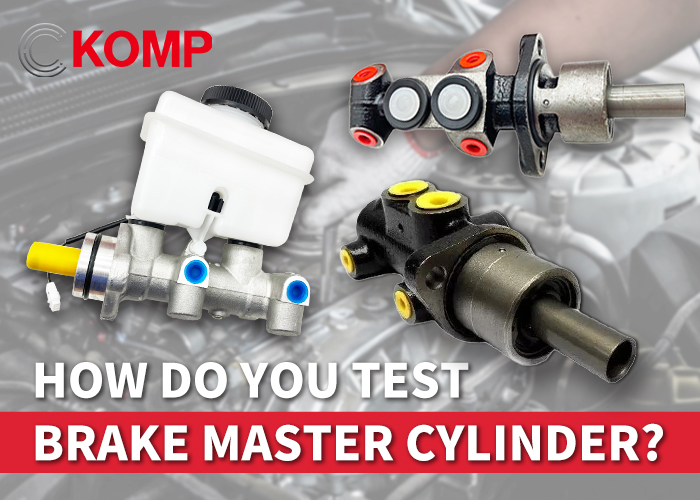
The brake master cylinder is the heart of your vehicle’s hydraulic braking system. When it begins to fail, symptoms such as a soft pedal, longer stopping distance, or brake-fluid loss can quickly compromise safety. Whether you’re a DIY enthusiast or simply want to understand what your mechanic is checking, knowing how to test a master cylinder helps you make smarter maintenance decisions.
 1. Start With a Visual Inspection
Before diving into complicated tests, open the hood and inspect the master cylinder and the area around the brake booster. Look for fluid seepage, wet spots, or paint damage near the housing. Even a small leak indicates compromised internal seals. When leaks are present, a master cylinder from a reputable brake master cylinder factory supply source is usually the safest solution.
2. Check the Brake Fluid Condition
Contaminated brake fluid often signals internal wear. Remove the reservoir cap and examine the fluid. If it appears dark, cloudy, or gritty, the internal rubber seals may be degrading. While fluid alone doesn’t confirm failure, it’s a strong indicator that further testing is necessary.
3. Pedal Pressure Test
Sit in the driver’s seat with the engine off. Press the brake pedal several times until it becomes firm. Then hold steady pressure. If the pedal slowly sinks to the floor, this usually points to an internal leak within the master cylinder. Because the system is closed, pedal drop means pressure is escaping somewhere—most commonly past worn internal seals.
4. Two-Circuit Balance Check
Modern vehicles use a dual-circuit master cylinder to maintain braking even if one side fails. During testing, uneven brake performance or unexpected pulling to one side can indicate imbalance between circuits. This suggests partial internal failure, requiring inspection or replacement.
5. Engine-On Booster-Assist Test
With the engine idling, press the brake pedal and observe whether it feels excessively soft. While the brake booster does create some pedal travel, a noticeably spongy feel often points to air intrusion or a master-cylinder issue.
If any of these tests reveal problems, replacing the unit is safer than attempting repair. Always choose a trusted brake master cylinder manufacturer and select a brake master cylinder with logo to ensure authenticity, quality control, and long-term reliability. For example, KOMP is a Chinese manufacturer of brake cylinders and clutch cylinders. Their products come with a 1-year or 30,000km warranty, making them a popular choice for many auto parts importers.
1. Start With a Visual Inspection
Before diving into complicated tests, open the hood and inspect the master cylinder and the area around the brake booster. Look for fluid seepage, wet spots, or paint damage near the housing. Even a small leak indicates compromised internal seals. When leaks are present, a master cylinder from a reputable brake master cylinder factory supply source is usually the safest solution.
2. Check the Brake Fluid Condition
Contaminated brake fluid often signals internal wear. Remove the reservoir cap and examine the fluid. If it appears dark, cloudy, or gritty, the internal rubber seals may be degrading. While fluid alone doesn’t confirm failure, it’s a strong indicator that further testing is necessary.
3. Pedal Pressure Test
Sit in the driver’s seat with the engine off. Press the brake pedal several times until it becomes firm. Then hold steady pressure. If the pedal slowly sinks to the floor, this usually points to an internal leak within the master cylinder. Because the system is closed, pedal drop means pressure is escaping somewhere—most commonly past worn internal seals.
4. Two-Circuit Balance Check
Modern vehicles use a dual-circuit master cylinder to maintain braking even if one side fails. During testing, uneven brake performance or unexpected pulling to one side can indicate imbalance between circuits. This suggests partial internal failure, requiring inspection or replacement.
5. Engine-On Booster-Assist Test
With the engine idling, press the brake pedal and observe whether it feels excessively soft. While the brake booster does create some pedal travel, a noticeably spongy feel often points to air intrusion or a master-cylinder issue.
If any of these tests reveal problems, replacing the unit is safer than attempting repair. Always choose a trusted brake master cylinder manufacturer and select a brake master cylinder with logo to ensure authenticity, quality control, and long-term reliability. For example, KOMP is a Chinese manufacturer of brake cylinders and clutch cylinders. Their products come with a 1-year or 30,000km warranty, making them a popular choice for many auto parts importers.