How to Cross Reference Clutch Slave Cylinder OEM Numbers?
Oct 23, 2026
How to Cross Reference Clutch Slave Cylinder OEM Numbers?
Learn the professional workflow to cross reference clutch slave cylinder OEM numbers, avoid wrong fitment, and source reliable units from a trusted clutch slave cylinder supplier.
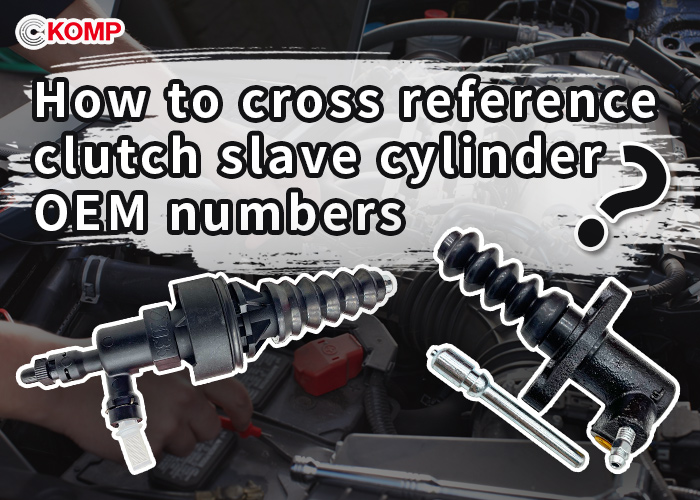 For auto parts distributors, workshop buyers and aftermarket importers, matching the correct clutch slave cylinder by OEM number is a vital daily task. Even a small mismatch can lead to returns, workshop complaints and costly customer downtime. Many B2B buyers run into confusion: two different OEM codes may refer to the same part, while similar-looking numbers often fit entirely different transmissions. This guide covers the standard cross-reference workflow, key verification checks and sourcing tips for hydraulic clutch slave cylinders, including concentric slave cylinders (CSC).
Step 1: Confirm the raw OEM number and clean formatting
OEM numbers often include dashes, spaces, suffixes or supersession updates. For example, 31470-0K010, 314700K010 and its superseded variants may represent the same clutch slave cylinder. Remove unnecessary formatting and track suffix changes. Automakers frequently update part numbers, phasing out old codes for new replacements.
Important note: Do not treat visually close numbers as interchangeable. Minor number differences can mean changes to bore size, port orientation, mounting hole layout and thread specifications, rendering the part incompatible.
Step 2: Check core interchange attributes beyond just the OEM code
Once you have a cleaned OEM number, verify these critical physical and technical parameters. This is where most cross-reference mistakes take place:
- Bore diameter: Essential for hydraulic clutch performance, such as our common 1-1/8" and 1-3/16" bore options. The wrong bore causes a spongy clutch pedal or engagement failure.
- Product type: External clutch slave cylinder or integrated concentric slave cylinder (CSC with release bearing). These two are not interchangeable.
- Mounting points, fluid port angle and thread size
- Vehicle fitment: Exact make, model, year, engine and transmission type. The same model may need different slave cylinders for petrol/diesel engines or left-hand / right-hand drive versions.
- Seal material and working pressure rating
A dependable clutch slave cylinder manufacturer keeps an internal cross-reference database linking each OEM number to this full set of specs, instead of relying on simple part-number spreadsheets. This database cuts verification time and reduces errors on bulk orders for distributors.
Step 3: Use reliable cross-reference sources
You can validate interchange data through four trusted channels: official OEM electronic parts catalogues; catalogues from top clutch brands like KOMP,LuK, Aisin, FTE and Sachs; professional aftermarket interchange databases; and direct technical confirmation with your supplier’s engineering team.
Avoid relying solely on random marketplace listings, as many contain incorrect interchange tables for traffic. For large orders, working directly with a professional clutch slave cylinder factory to verify OEM data is the safest approach. They can provide dimension drawings, spec sheets, test reports and formal interchange documents.
Step 4: Watch out for common cross-reference pitfalls
Several frequent traps trouble B2B buyers. One OEM number may have regional variants built for EU and Southeast Asian markets with different fittings. Aftermarket SKUs from LuK, LPR or Dorman are not genuine OEM numbers and cannot be used for original cross-referencing. It is also easy to mix CSC assemblies with external slave cylinders, which share similar search terms but differ greatly in installation. Never ignore supersession logs, because ordering discontinued part numbers brings unexpected supply delays.
Step 5: Final validation before bulk purchasing
After confirming the OEM interchange record, finish these checks before bulk ordering: ask for dimension-marked photos, confirm bore, thread and mounting drawings, check stock status and MOQ for custom production, and request samples for inspection if this OEM reference is new to your catalogue.
Strong OEM cross-reference practices protect your inventory and reputation. A solid system lets you answer fitment enquiries faster, reduce returns and expand your catalogue. Whether you need ready stock for fast-moving OEM references or custom production for rare codes, work with a stable clutch slave cylinder supplier that provides reliable technical support and clear interchange documentation.
If you have an OEM number to check, send the code and vehicle details, and our team will complete the full cross-reference and spec verification for you.