Symptoms of a Bad Brake Booster: How to Diagnose It
Jun 26, 2026
Symptoms of a Bad Brake Booster: How to Diagnose It
A brake booster, also known as a brake servo, is an essential part of your vehicle’s braking system. It uses vacuum or electric power to assist braking force, making your brake pedal smooth and responsive. When the brake booster fails, your driving safety is seriously compromised. Recognizing the symptoms of a bad brake booster early can help you avoid dangerous braking failure on the road and replace durable aftermarket brake booster parts in time.
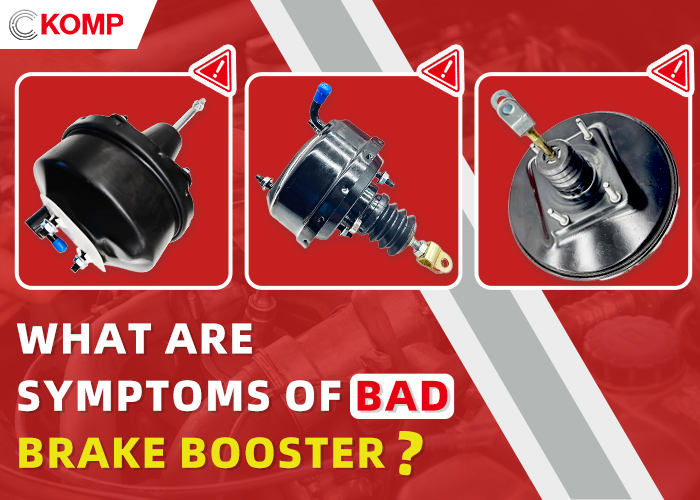 The most common and obvious sign of a faulty brake booster is a stiff brake pedal. If your brake pedal feels extremely hard and requires much more effort than usual to stop the car, the power assist has been lost. A healthy booster reduces your braking force significantly, while a failed booster forces you to rely entirely on manual pressure, resulting in poor braking response and longer stopping distance.
Another typical symptom is hissing or whistling noise when pressing the brake pedal. This sound comes from a vacuum leak inside the booster caused by a damaged diaphragm, worn seals, or loose vacuum hoses. The hissing sound usually disappears when you release the pedal. If you hear this noise consistently, your brake booster is leaking vacuum and requires immediate inspection.
A bad brake booster also causes rough idle and unstable engine RPM. Since the booster shares engine vacuum, a vacuum leak will disrupt the engine’s air intake balance. You may notice shaking idle speed or even engine stalling when braking. This is a key feature that distinguishes brake booster problems from normal brake pad or master cylinder issues.
Additionally, you may experience weak braking performance. The vehicle takes longer to slow down, and emergency braking becomes ineffective. Some modern cars will turn on the brake warning light or ABS light when the electric brake booster or vacuum sensor malfunctions.
You can perform a simple DIY test: with the engine off, press the brake pedal several times until it is hard. Keep pressing and start the engine. If the pedal softens and sinks slightly, the booster is good. If it remains stiff, your brake booster is faulty.
Driving with a bad brake booster is unsafe. Delayed braking and hard pedals greatly increase accident risks. If you notice the above symptoms, replace your brake booster promptly to restore stable braking performance.
When replacing a brake booster, always opt for reliable, high-quality brands such as KOMP. As a professional brake booster manufacturer and trusted OEM brake booster supplier in China, KOMP delivers aftermarket brake boosters that match original OEM quality and performance. For repair shops and retailers looking to wholesale brake booster products, KOMP offers dependable units with a 1-year or 30,000-kilometer warranty, making it the top choice among global auto parts distributors and service centers.
The most common and obvious sign of a faulty brake booster is a stiff brake pedal. If your brake pedal feels extremely hard and requires much more effort than usual to stop the car, the power assist has been lost. A healthy booster reduces your braking force significantly, while a failed booster forces you to rely entirely on manual pressure, resulting in poor braking response and longer stopping distance.
Another typical symptom is hissing or whistling noise when pressing the brake pedal. This sound comes from a vacuum leak inside the booster caused by a damaged diaphragm, worn seals, or loose vacuum hoses. The hissing sound usually disappears when you release the pedal. If you hear this noise consistently, your brake booster is leaking vacuum and requires immediate inspection.
A bad brake booster also causes rough idle and unstable engine RPM. Since the booster shares engine vacuum, a vacuum leak will disrupt the engine’s air intake balance. You may notice shaking idle speed or even engine stalling when braking. This is a key feature that distinguishes brake booster problems from normal brake pad or master cylinder issues.
Additionally, you may experience weak braking performance. The vehicle takes longer to slow down, and emergency braking becomes ineffective. Some modern cars will turn on the brake warning light or ABS light when the electric brake booster or vacuum sensor malfunctions.
You can perform a simple DIY test: with the engine off, press the brake pedal several times until it is hard. Keep pressing and start the engine. If the pedal softens and sinks slightly, the booster is good. If it remains stiff, your brake booster is faulty.
Driving with a bad brake booster is unsafe. Delayed braking and hard pedals greatly increase accident risks. If you notice the above symptoms, replace your brake booster promptly to restore stable braking performance.
When replacing a brake booster, always opt for reliable, high-quality brands such as KOMP. As a professional brake booster manufacturer and trusted OEM brake booster supplier in China, KOMP delivers aftermarket brake boosters that match original OEM quality and performance. For repair shops and retailers looking to wholesale brake booster products, KOMP offers dependable units with a 1-year or 30,000-kilometer warranty, making it the top choice among global auto parts distributors and service centers.